
WHY DECAF IS THE GENTLE GIANT OF COFFEE TYPES, HOW IT IS MADE, AND WHAT WE HAVE GOTTEN WRONG ABOUT IT
There is no shortage of dismissive anecdotes on the subject of decaf coffee.
It has been called a watered-down imitation of the real thing, flavorless, and even described as coffee that just gave up. Mitch Hedberg famously built an entire bit around the idea that decaf exists mainly to confuse people who think they still want coffee.
However, jokes have a funny way of robbing us of nuance and flattening the conversation. Most of these punchlines hide a version of decaf coffee that has been shaped by the same obsessive attention to roast, origin, and extraction as any fully caffeinated coffee. To understand why decaf has earned its reputation (and why much of it is outdated), it helps to look more closely at what decaf actually is, how it is made, and what really separates it from regular coffee.
What is Decaf Coffee?
“Decaf” is shorthand for decaffeinated coffee, which refers to coffee made with beans that have had most of their caffeine removed before roasting. However, contrary to popular presumption, decaf still contains a trace amount of caffeine, usually around 2–15 mg per 8-oz cup, compared to 80–180 mg in a regular brew.
How is Decaf Coffee Made?
The process for making a cup of decaf begins long before the actual brewing. It actually starts when the beans are still green. To decaffeinate coffee beans, their caffeine is removed through one of several processes while their natural flavor and oils are preserved as much as possible.
Here is a simplified look at what the decaffeination process involves:
-
Steaming or Soaking: At this stage, the green beans are pre-treated with steam or water to open their pores.
-
Extraction: Here, caffeine is drawn out through water-based methods (like Swiss Water, or through carbon dioxide extraction or solvent-assisted techniques.
Each method generally targets the caffeine molecules of the beans but minimizes the impact on its flavor compounds. -
Drying and Roasting: Once decaffeinated, beans are then dried and roasted like regular coffee to develop their final flavor profile.
Decaf Vs. Regular Coffee
The primary difference between decaf and regular coffee is the presence of caffeine, which typically impacts the physiological response of the drinker. Because caffeine is a stimulant, regular coffee is more likely to increase alertness, heart rate, and nervous system activity. Some individuals may also experience jitteriness, restlessness, or disrupted sleep. However, decaf produces fewer of these effects due to its significantly lower caffeine content.
In terms of sensory experience, decaf and regular coffee differ slightly in acidity, body, and aroma, depending on the method of decaffeination method and roast. Some decaf coffees may have reduced brightness or a softer mouthfeel, although modern decaffeination techniques attempt to preserve flavor compounds as much as possible.
Most critically, however, regular coffee is usually consumed when the drinker requires stimulation or sustained focus. Decaf can be enjoyed otherwise, in multiple servings or by individuals who are sensitive to caffeine or advised to limit intake.
However, there is no significant difference in either nutritionally. They both contain antioxidants and naturally occurring compounds found in coffee, and their primary distinction is related to caffeine concentration rather than their overall composition.
FAQs On The Difference Between Decaf and Regular Coffee
Is Decaf Coffee Good For You?
This is entirely subjective, but decaf coffee contains antioxidant compounds similar to regular coffee, but with significantly less caffeine, which makes it suitable for those seeking to limit stimulant intake.
Is Decaf Coffee A Diuretic?
Decaf coffee has a much weaker diuretic effect than regular coffee and, in moderate amounts, is unlikely to increase fluid loss.
Is Decaf Coffee Acidic?
Decaf coffee is still acidic, but it is often slightly less acidic than regular coffee, depending on the origin of the beans, the roast, and the decaffeination methods.
Can You Drink Decaf Coffee While Pregnant?
Decaf coffee is generally considered safe during pregnancy in moderation since it only contains small amounts of caffeine. However, drinkers must always adhere to the guidance of a healthcare professional.
How To Get Decaf Coffee Beans
Decaf coffee beans are best sourced from roasters that treat decaf as a primary offering rather than an afterthought
Choose The Right Cup
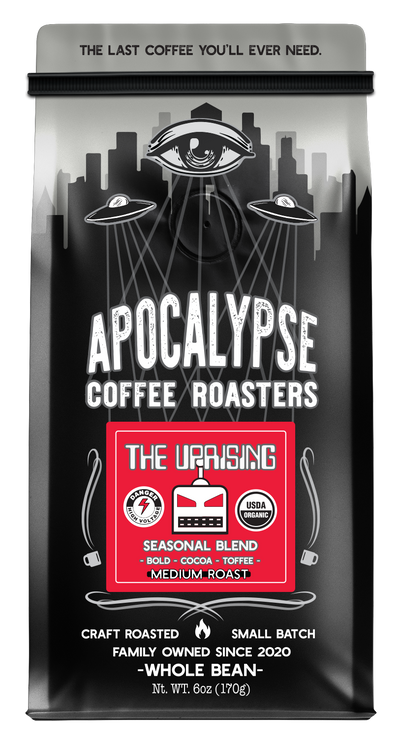
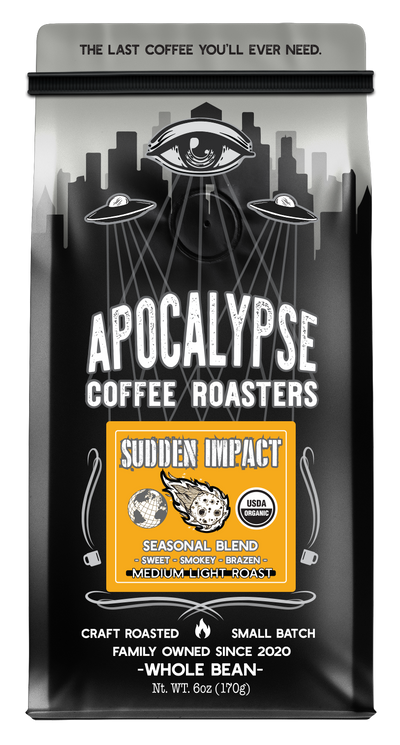
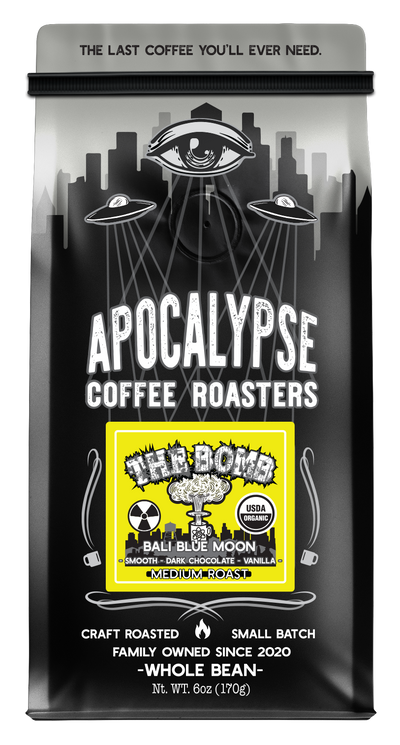
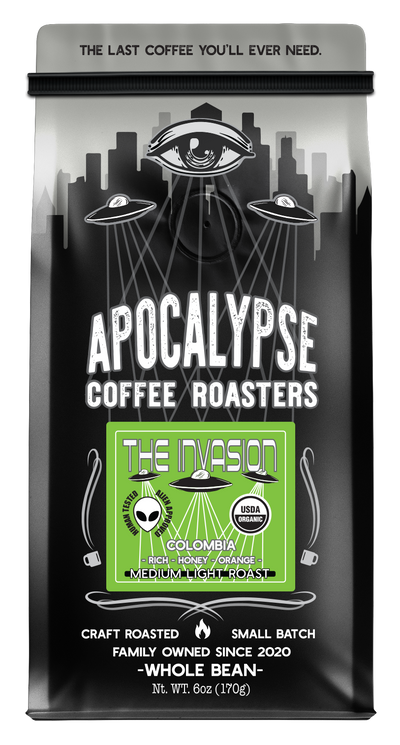
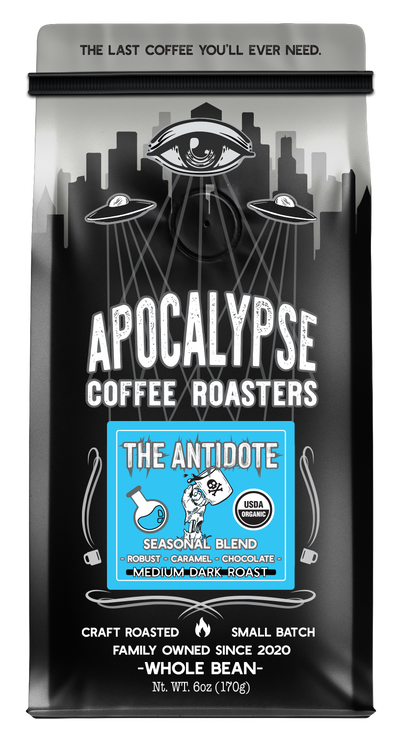
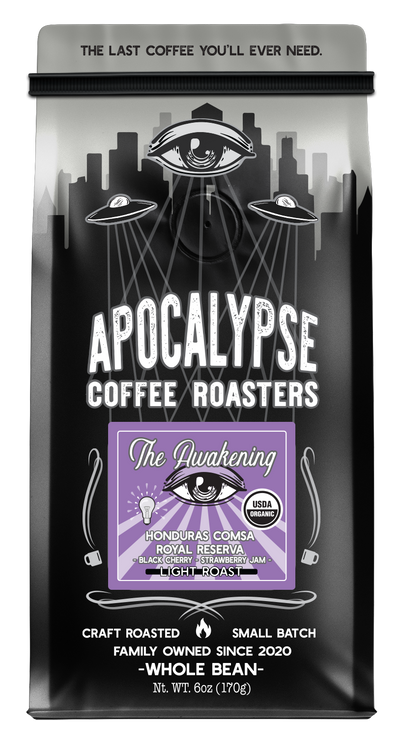
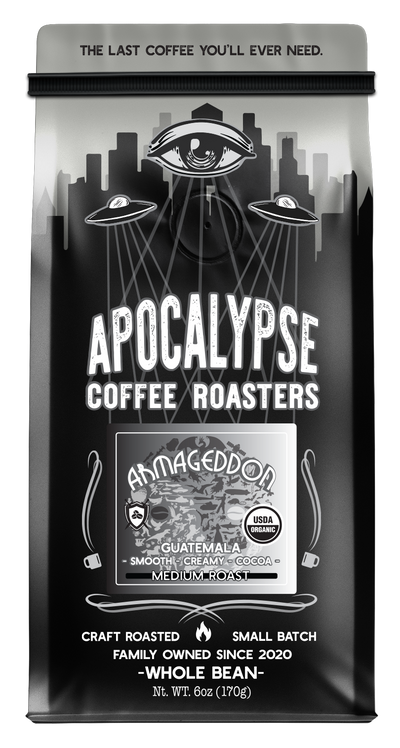
At Apocalypse Coffee, our decaf roast, The Surge, and our regular beans are all roasted to the same high standards for sourcing and quality. As a family-run roastery on Florida’s Space Coast, coffee is more than a daily ritual; it’s a calling. With over 25,000 hours dedicated to our craft, each roast is designed to highlight clarity and smoothness. Join the locals who already know: when it’s Apocalypse Coffee, the day starts better. Take our quiz to find the perfect roast and never risk running out when brew is needed most.
Browse our selection to find a roast that matches you — no trade-offs required.