
DETAILED GUIDE TO CAFFEINE LEVELS IN COFFEE TYPES, BREW METHODS, AND ROAST LEVELS
Coffee remains at the top of the “hot 100 list” of consumed beverages, predominantly because of its caffeine content. Levels of caffeine vary based on bean type, roast level, brewing method, and serving size. Understanding caffeine content in different coffee roasts and preparation methods is the secret to selecting the right coffee every time.
What is the Average Caffeine Content in Coffee Drinks?
A typical 8‑ounce cup of coffee contains between 95 and 165 milligrams of caffeine. Specialty drinks such as Americanos, lattes, or cappuccinos may contain higher caffeine concentrations due to multiple espresso shots. Espresso is notably concentrated, with a 1‑ounce shot containing roughly 63 milligrams of caffeine. A standard double shot (2 ounces) contains approximately 125 milligrams. Instant coffee generally contains less caffeine, averaging 30 to 90 milligrams per 6‑ounce cup. Cold brew coffee often contains significantly more caffeine, ranging from 150 to 300 milligrams per 16‑ounce serving. These variations indicate that the amount of caffeine in coffee depends as much on preparation as it does on bean selection.
Which Factors Influence Caffeine Content in Coffee?
Coffee beans differ in natural caffeine content. Arabica beans typically have about 1.2 percent caffeine by weight, whereas Robusta beans may contain nearly 2.2 percent. Roast level also influences caffeine: lighter roasts tend to have slightly more caffeine per volume because the beans are denser; darker roasts lose mass during roasting, which slightly increases caffeine per weight but decreases caffeine per scoop. The brewing method is another key factor. Espresso extracts caffeine quickly under high pressure, while cold brew uses extended steeping to draw more caffeine over time.
Caffeine Content by Coffee Type and Serving Size
Brewed coffee provides a steady caffeine intake. A 12‑ounce brewed cup may contain approximately 113 to 247 milligrams of caffeine. Espresso remains the concentrated option: a single shot offers approximately 63 milligrams, and a double shot provides about 125 milligrams. Instant coffee offers convenience with moderate caffeine — typically 45 to 100 milligrams per 8‑ounce cup. Cold brew coffee delivers high caffeine content per volume due to prolonged extraction, often exceeding 200 milligrams per 16 ounces. Decaffeinated coffee still contains residual caffeine, commonly ranging from 2 to 15 milligrams per 8‑ounce cup.
How Much Caffeine Do Coffee Shops Serve?
Coffee chains often serve larger portions than standard 8‑ounce cups. For example, a 12‑ounce “Tall” brewed coffee at a major chain contains about 260 milligrams of caffeine, while a 16‑ounce “Grande” may reach 330 milligrams. Another chain’s small cup provides 180 milligrams, and a large cup may offer up to 330 milligrams. Specialty beverages like lattes and cappuccinos contain the same caffeine as the espresso shots used but no additional caffeine from milk. Serving size therefore significantly multiplies caffeine intake beyond standard estimates. Checking nutritional information helps with accuracy.
How Roast Level Affects Caffeine Content in Coffee
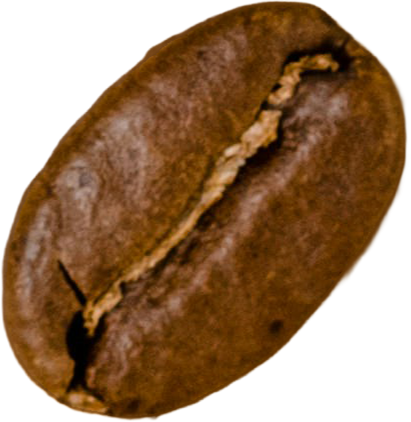
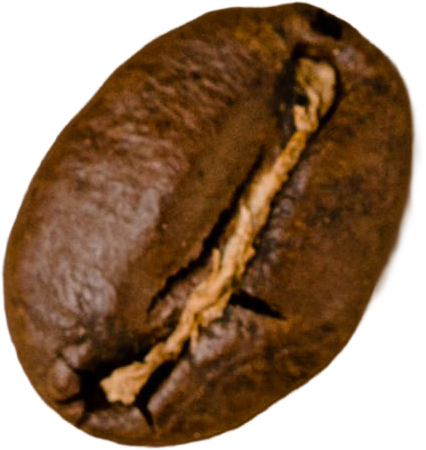
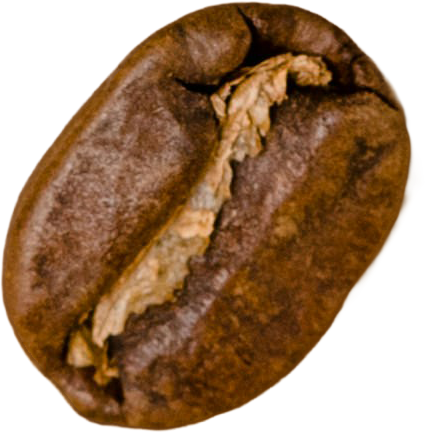
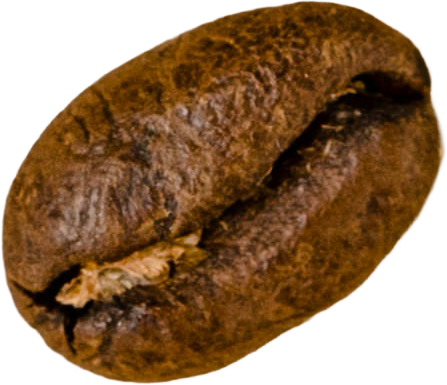
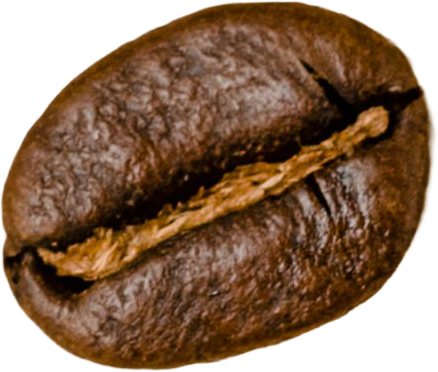
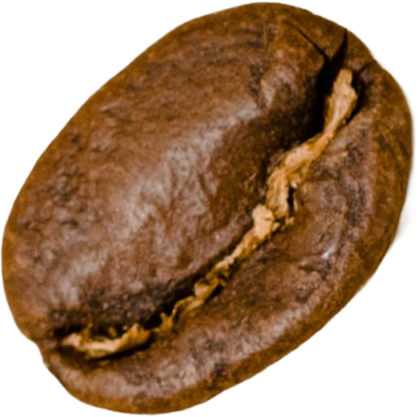
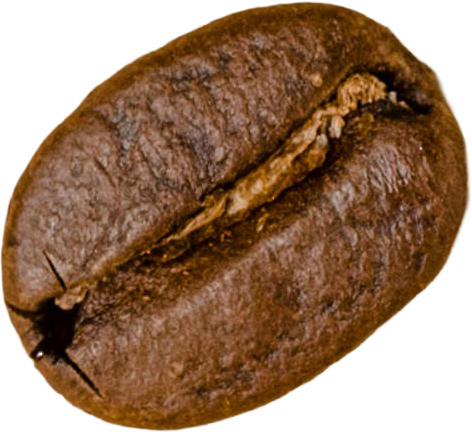
Roast level is a common consideration when estimating caffeine in coffee. Light roast beans appear denser and thus have slightly more caffeine per scoop than dark roast beans. Medium roasts fall between light and dark in terms of caffeine concentration. Dark roasts expand during roasting and lose mass, which slightly reduces caffeine per volume, though by weight they may contain slightly more caffeine. These differences typically amount to less than 5 to 10 milligrams per cup. Choosing coffee’s caffeine effect based solely on roast color is less effective than considering brew method or serving size.
Caffeine Content in Light Roast Coffee
Light roast coffee preserves most of the bean’s natural density and generally contains approximately 179 milligrams of caffeine per 8‑ounce cup by weight measurement. These roasts highlight bright and aromatic flavor notes while delivering caffeine efficiently when measured by volume. The method of brew influences final caffeine extraction; longer contact times increase intake. Light roast coffee offers a solid choice for those preferring moderate caffeine with a milder taste profile.
Caffeine Content in Medium Roast Coffee
Medium roast coffee provides balance between flavor and caffeine. It averages around 176 milligrams of caffeine per 8‑ounce cup by weight. These roasts present a smooth and familiar taste profile suitable for frequent consumption. Brewing methods such as drip, pour‑over, and French press extract caffeine effectively from medium roasts. Coffee brewed from medium roasts also adapts well to various methods while offering consistent caffeine.
Caffeine Content in Dark Roast Coffee
Dark roast coffee delivers bold, full‑bodied flavor while slightly altering caffeine concentration. Per 8‑ounce cup by weight, it contains approximately 173 milligrams of caffeine. Dark roast beans expand and lose mass during roasting, which affects caffeine by volume but slightly increases caffeine by weight. Extended brewing allows up to 95 percent of caffeine to dissolve, depending on method. This roast suits those seeking rich flavor with steady caffeine effects.
Key Brewing and Serving Factors for Caffeine Intake
Brewing method remains a primary determinant of caffeine content. Espresso delivers concentrated caffeine in small servings, while cold brew pulls more caffeine through longer steeping. Grind size influences extraction: finer grounds yield higher caffeine concentration. Water temperature affects solubility; hotter water extracts caffeine more efficiently than cooler temperatures. Serving size multiplies caffeine intake significantly. A 16‑ounce mug may contain nearly twice the caffeine of an 8‑ounce cup. These factors collectively dictate final caffeine exposure from coffee and brew variations.
Arabica vs. Robusta Beans and Caffeine Differences
Arabica beans provide smoother flavor with moderate caffeine content at approximately 1.2 percent by weight. Robusta beans are more bitter and contain nearly 2.2 percent caffeine by weight. Coffee blends often combine both types to reach desired flavor and caffeine levels. Bean origin, altitude, and growing conditions further influence caffeine concentrations. Robusta‑based espresso blends are common in commercial coffee for their higher caffeine content and robust taste profile.
FAQs About Caffeine in Coffee and Coffee Roasts
What Factors Affect Caffeine Content in Coffee?
Caffeine content varies with bean type, roast level, brewing method, grind size, water temperature, and serving size. Arabica beans contain less caffeine than Robusta beans. Light roasts are denser and yield more caffeine per scoop. Espresso and cold brew generate higher caffeine concentration compared to standard brewed coffee. Longer brewing times extract more caffeine from coffee grounds. Adjusting serving size allows control over total caffeine intake.
How Much Caffeine is in a Standard Cup of Coffee?
An 8‑ounce brewed coffee contains approximately 95 to 165 milligrams of caffeine. A 12‑ounce cup may provide 113 to 247 milligrams. Single espresso shots may contain 63 milligrams, and double shots reach 125 milligrams. Cold brew often exceeds 150 milligrams per 16‑ounce serving. Instant coffee ranges from 45 to 100 milligrams per cup. Decaffeinated options remain low in caffeine, typically 2 to 15 milligrams.
Does Roast Level Determine Caffeine Strength?
Roast level affects caffeine only minimally. Light roasts hold slightly more caffeine per scoop, while dark roasts may contain slightly more caffeine by weight. Differences among light, medium, and dark roasts remain under 10 milligrams per cup. Brewing method and serving size influence caffeine significantly more than roast alone. Flavor preference, freshness, and individual needs guide coffee selection.
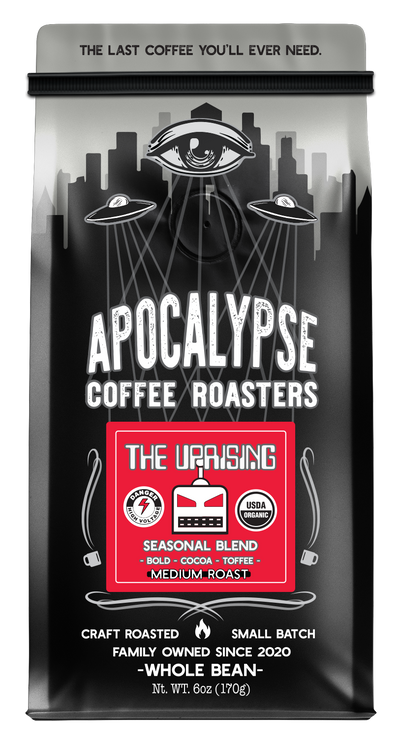
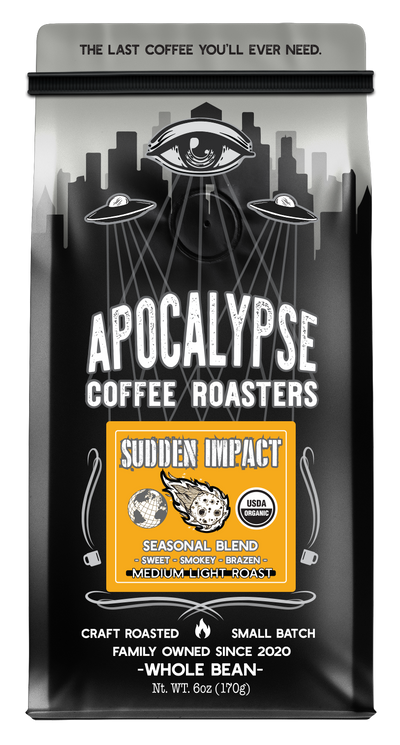
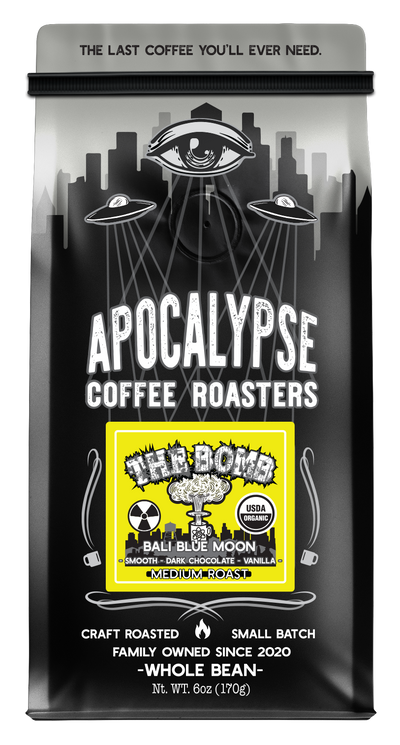
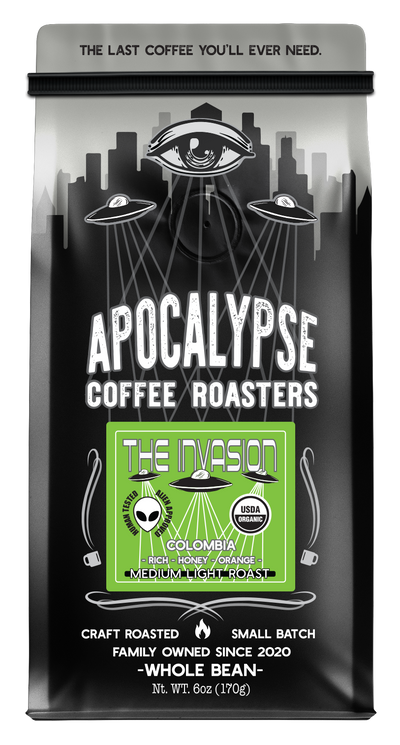
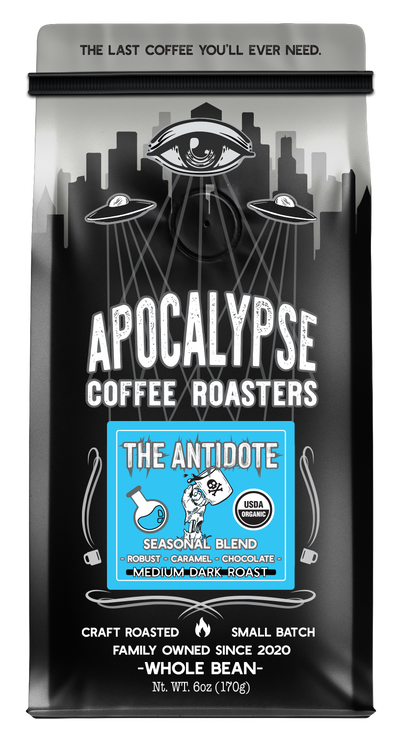
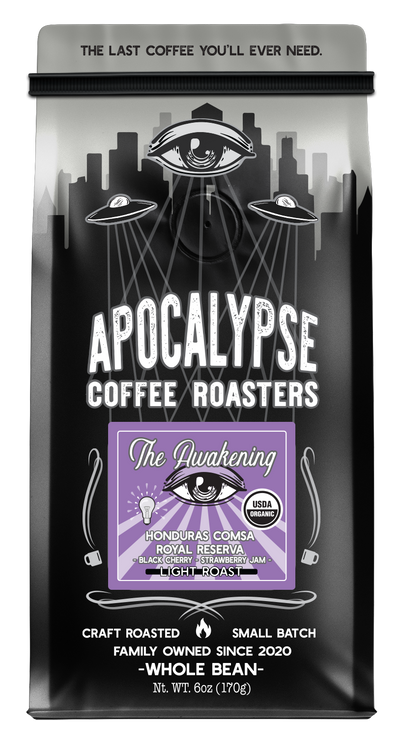
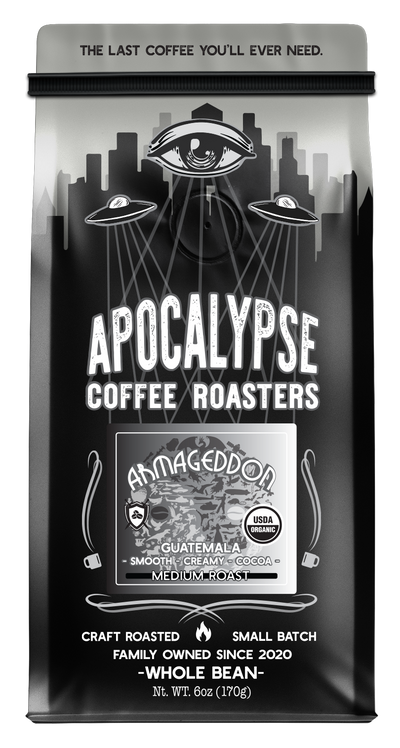
The Last Coffee Ever Needed — Brewed for the Unexpected
Every cup begins with intention, and at Apocalypse Coffee Roasters, that means creating a brew perfect for preparation. As a family-run roastery on Florida’s Space Coast, coffee is more than a daily ritual; it’s a calling. Whether fueling early launches or exploring late-night theories about extraterrestrial life, the mission is clear: to serve the best first sip on the planet. With over 25,000 hours dedicated to our craft, each roast is designed to highlight clarity and smoothness. Join the locals who already know: when it’s Apocalypse Coffee, the day starts better. Take our quiz to find the perfect roast and never risk running out when brew is needed most.